

Training hub
Discover our online training resources to start building your skills and knowledge in the water sector.
Browse by topic
Jacobs
AI
Surface water hydraulics
Surface water hydrology
Groundwater
Modelling general knowledge
Python
HEC-RAS
MODFLOW & FloPy
QGIS
TUFLOW
HEC-HMS
R
RORB
Water quality
ARR
Innovation
Climate Adaptation
Governance
Water Reuse & Recycle
Water Infrastructure
Energy
Mining
Water Markets
One Basin CRC
Water Research
SWAN
Agriculture
Water Planning
Ecosystem & Catchment Management
FLOW-3D
FLIKE
All Training
We also offer
Tailored training!
Customised learning experiences designed specifically for your organisation or team to meet your unique needs.
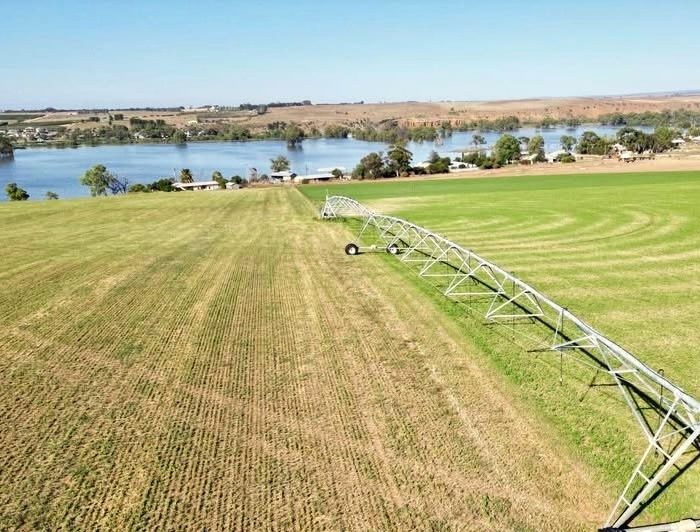
Irrigation suppliers and service
A key cog in the wheel of on-farm production.
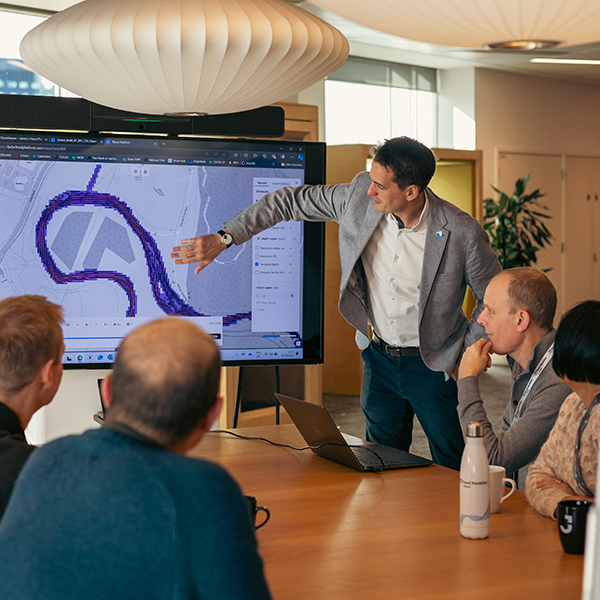
Is your water flowing downhill? Tips & tricks for reviewing flood models
Learn tips and tricks from the experts to review flood models with confidence.

AI-Assisted Coding for Water Modellers
Learn the application of LLMs for water modelling.

Deep dive
Diagnosing and repairing underwater problems on hydraulic structures
Discover the future of organic waste innovation
Transforming waste into opportunity

AI Applications to HEC-RAS Modelling Workflows
In-depth demonstrations of AI-tools to augment
HEC-RAS workflows.

Applications of groundwater modelling in TUFLOW
Mastering groundwater modeling for enhanced calibration; long-term simulations and operational flood forecasting.
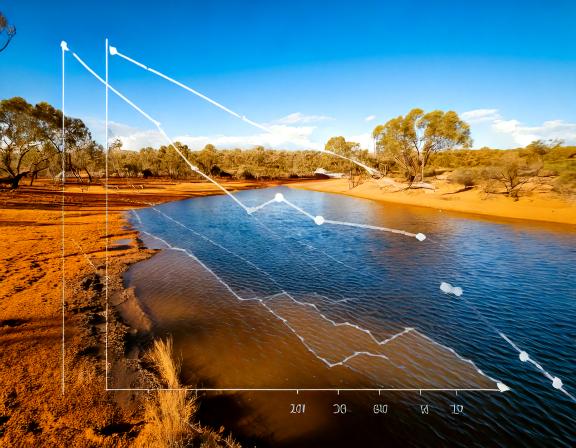
Stress-testing water availability in the Southern Murray-Darling Basin
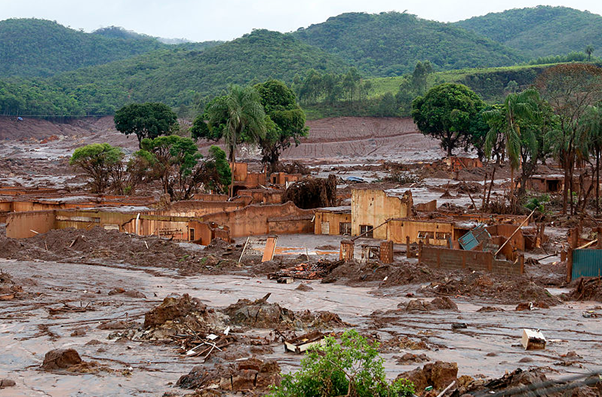
Tailings Dam Failure Essentials – Part 2
Software developers' guidance on selecting input parameters and tips for realistic tailings dam models.
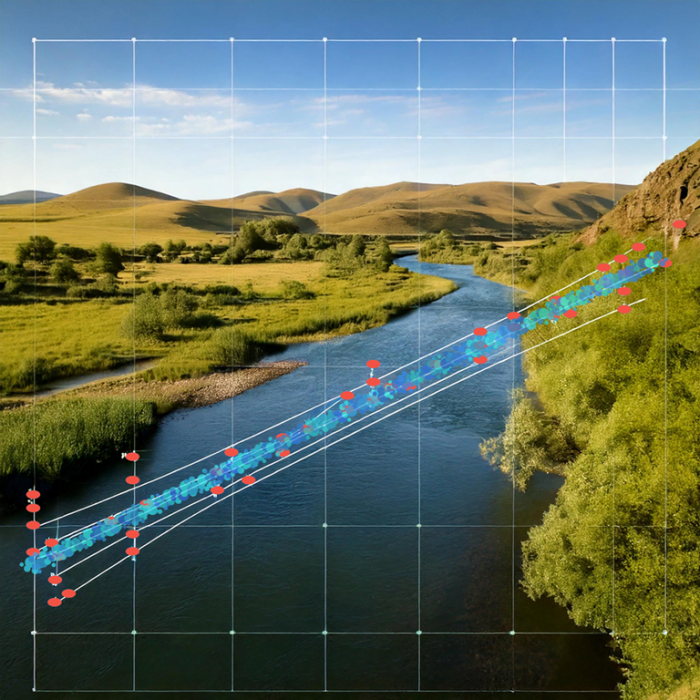
FFA with RMC-BestFit: New Release!
Explore new features in RMC-BestFit 2.0 Beta, including non-stationarity to account for climate change in flood frequency analyses, and featuring compatibility with FLIKE.
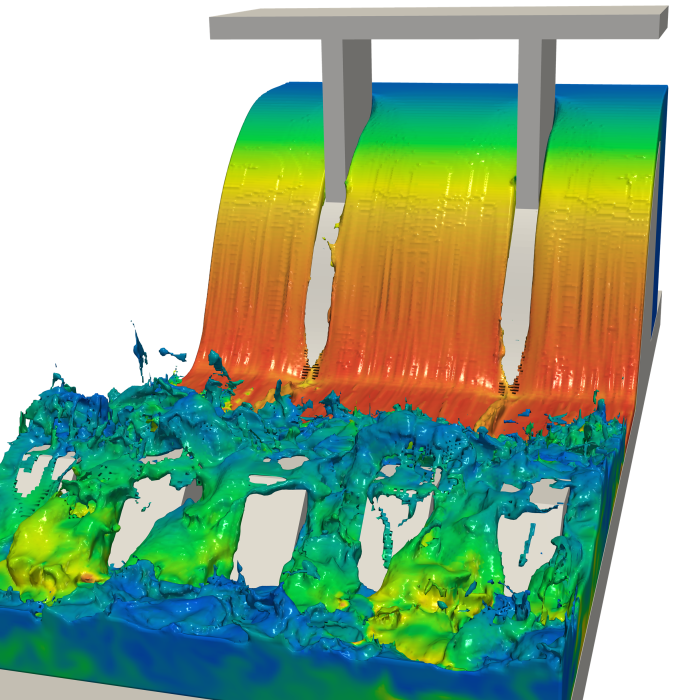
Build confidence in CFD modelling with FLOW-3D HYDRO
Explore the world of 3D water modelling through an easy-to-use interface and pre-loaded model templates.
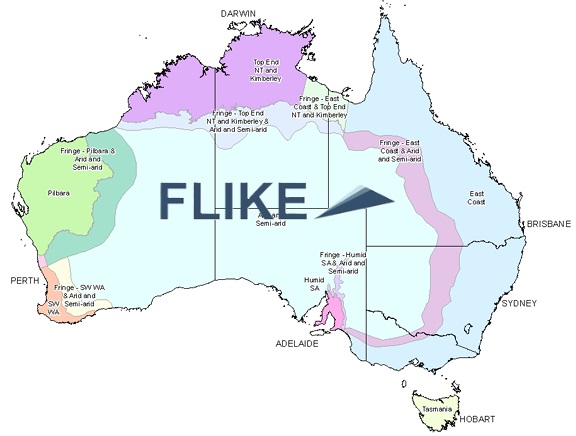
Flood Frequency Analysis using FLIKE
Discover a how-to guide on flood frequency analysis
Is Australia’s water R&D capability fit for purpose?
In a dry continent, with increasing climate extremes, declining biodiversity and growing water demands, is Australia’s water R&D ready?
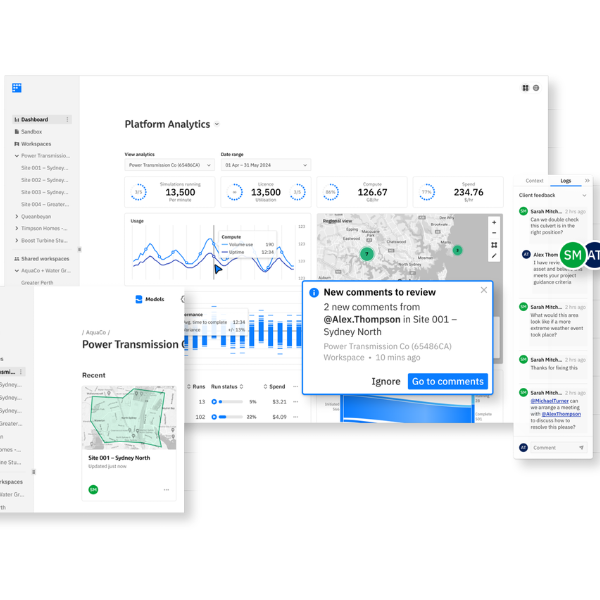
Unify your flood modelling
Unify your flood modelling, whether you’re using TUFLOW, HEC-RAS, SWMM or Flood Modeller.

Dam Breach Essentials
Dive deep in to dam breach modelling and master the art of input data and calibration.
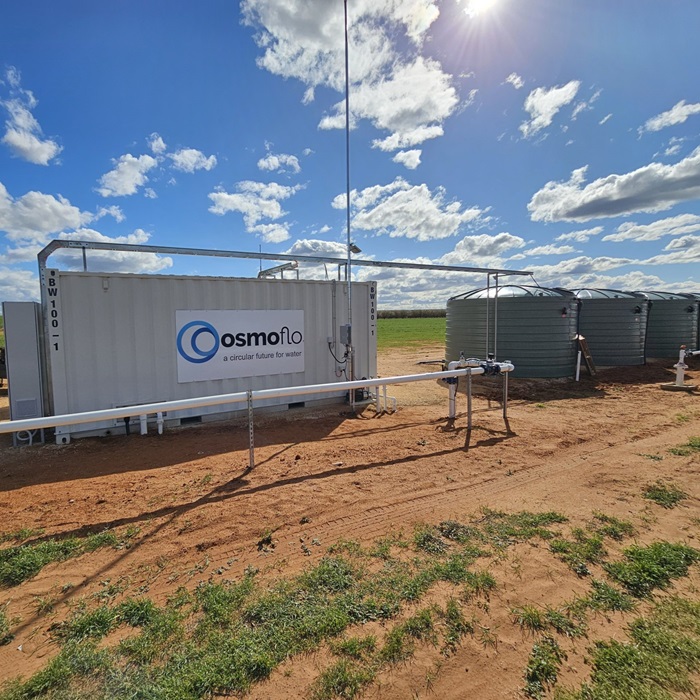
Desalinating brackish water
Implementing a demonstration site for desalination of brackish water in the Murray-Darling Basin
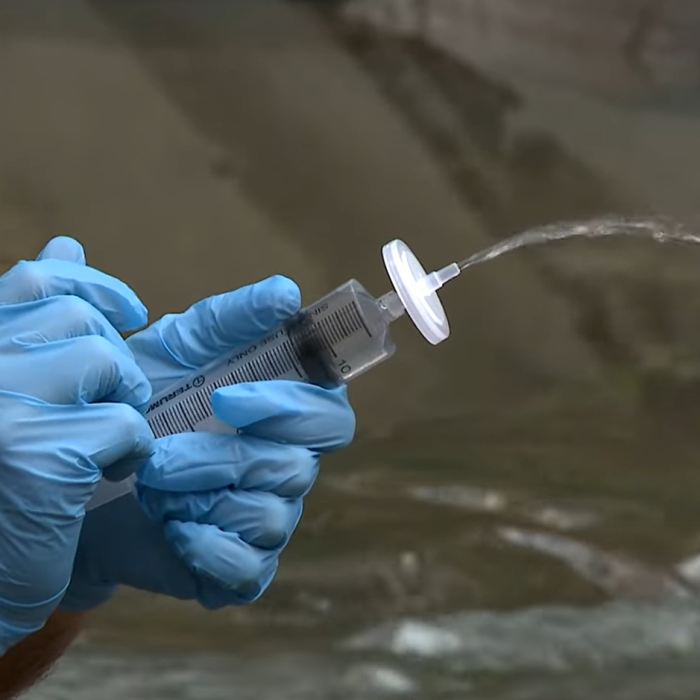
Beyond tracks and scats: The power of eDNA for aquatic monitoring
Unveiling and monitoring aquatic biodiversity with eDNA.

Bridge Scour Essentials
Learn the background theory behind pier scour, abutment scour, and contraction scour.

Earth’s biggest floods
Uncovering geological evidence for the world’s largest flood events
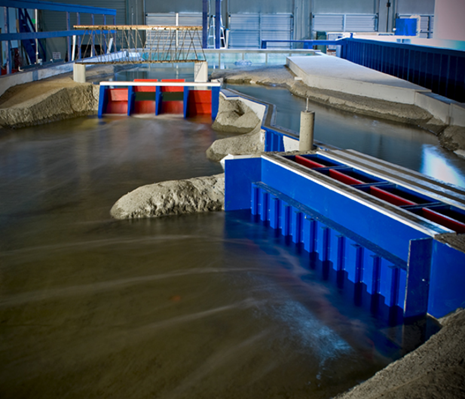
Let’s get physical!
How to get meaningful hydraulic results from a physical model
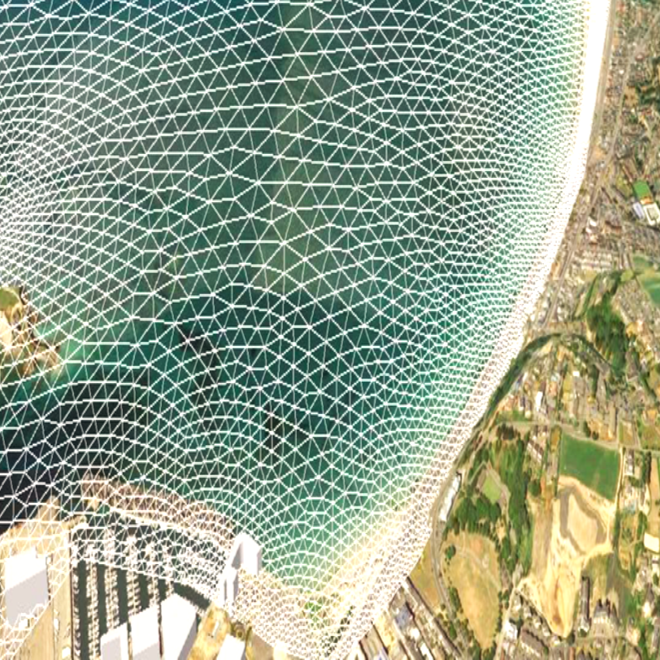
Wave Modelling with SWAN
Dive into the world of waves and learn numerical modelling with SWAN.
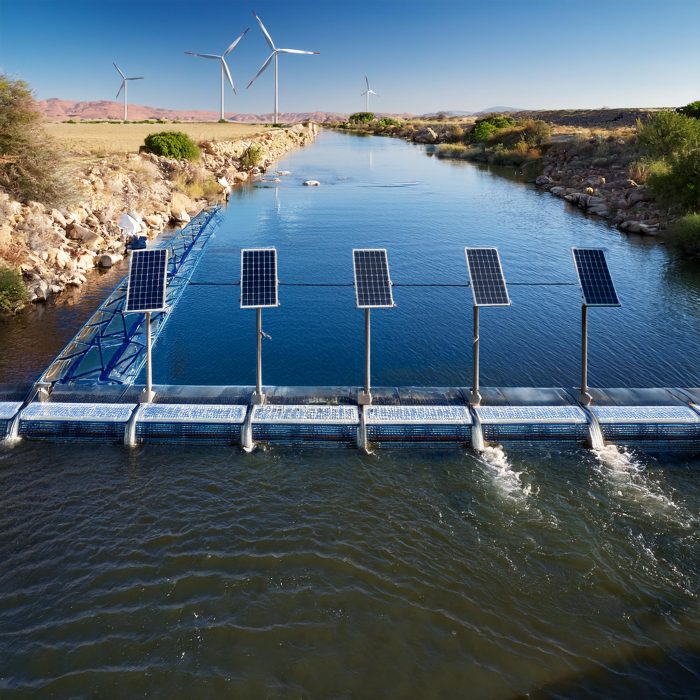
Continuous innovation: the future of water delivery data science
Explore innovative data science projects enhancing water delivery through demand forecasting and anomaly detection, driving efficiency, reliability, and operational improvements across irrigation districts.
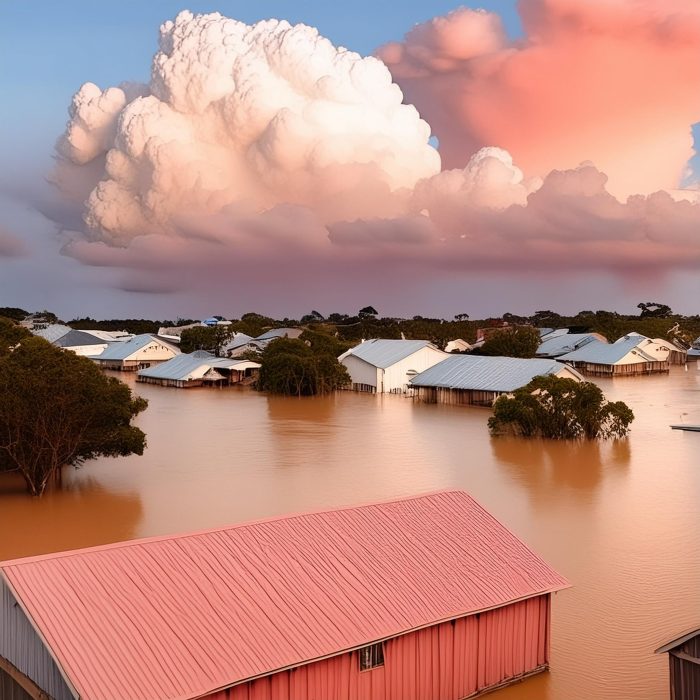
Climate change updates to ARR Guidelines
Panel discussion on the updated Australian Rainfall and Runoff (ARR) Guidelines for climate change considerations.
HydroGPT
Automating water resources workflows
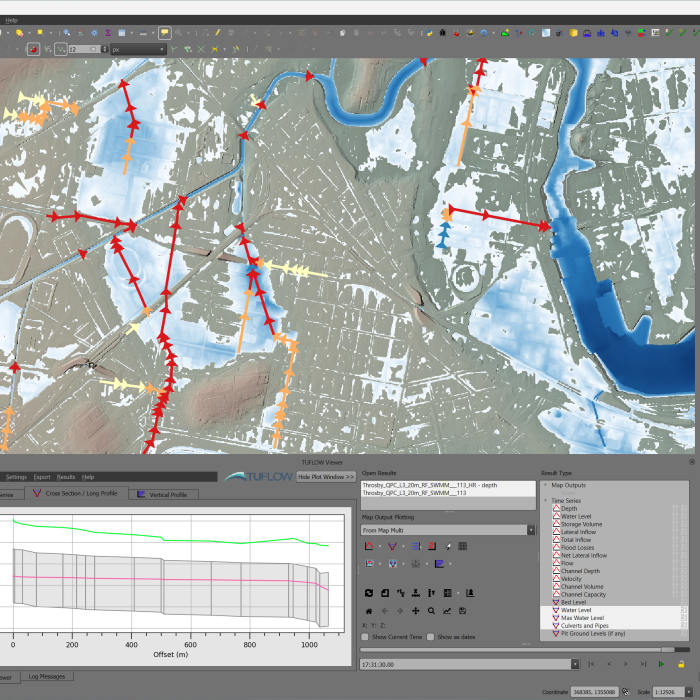
Improving SWMM Modelling with GIS Tools
Empower your stormwater management with EPA SWMM: Open-source, flexible, and globally trusted hydrology and 1D modelling.
Tailings dam failure essentials – Part 1
Understanding risks and consequences of tailings dam failure, unique challenges in modelling material behaviour, and advances in modelling and assessment practices

AI Segmentation
Use machine learning tools to extract and process water modelling data from aerial photos, satellite imagery, and terrain file.
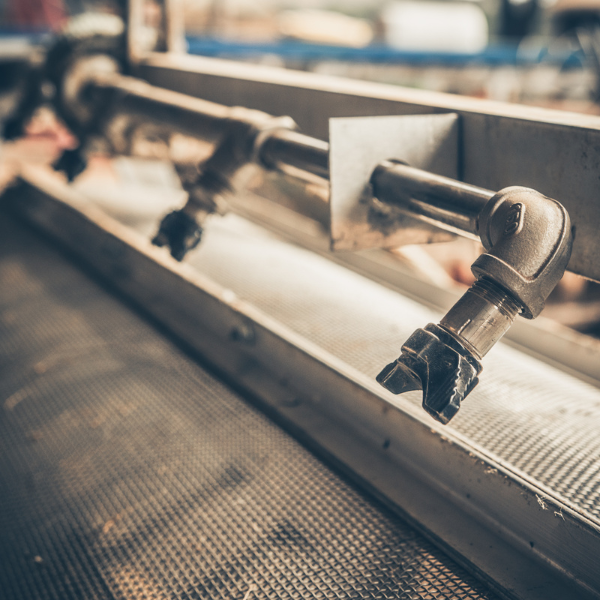
Better irrigation pump screens save money and time
Irrigation tech: screens, farmers and fish-friendly design

Applying AI to HEC-RAS modelling workflows
Augment HEC-RAS workflows using AI tools.

R Essentials for Water
Explore the intricacies of hydrological analysis using R programming language to harness robust water data insights