

Training hub
Discover our online training resources to start building your skills and knowledge in the water sector.
Browse by topic
Jacobs
AI
Surface water hydraulics
Surface water hydrology
Groundwater
Modelling general knowledge
Python
HEC-RAS
MODFLOW & FloPy
QGIS
TUFLOW
HEC-HMS
R
RORB
Water quality
ARR
Innovation
Climate Adaptation
Governance
Water Reuse & Recycle
Water Infrastructure
Energy
Mining
Water Markets
One Basin CRC
Water Research
SWAN
Agriculture
Water Planning
Ecosystem & Catchment Management
FLOW-3D
FLIKE
All Training
Subscribe and stay up to speed!
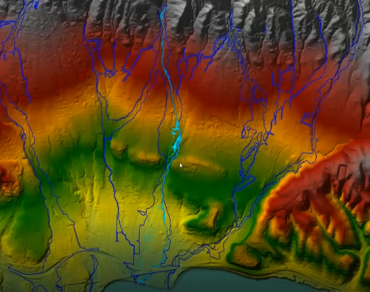
Sediment Transport with HEC-RAS Masterclass
Advanced 2D sediment, mudflow, and debris‑flow modelling in HEC-RAS for real‑world practice.
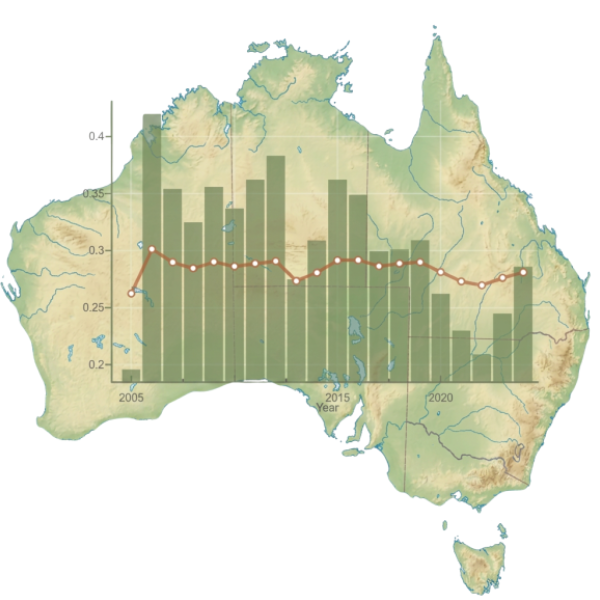
Flood Frequency Analysis
A practical introduction to estimating peak flood flows using FFA and RFFE methods.
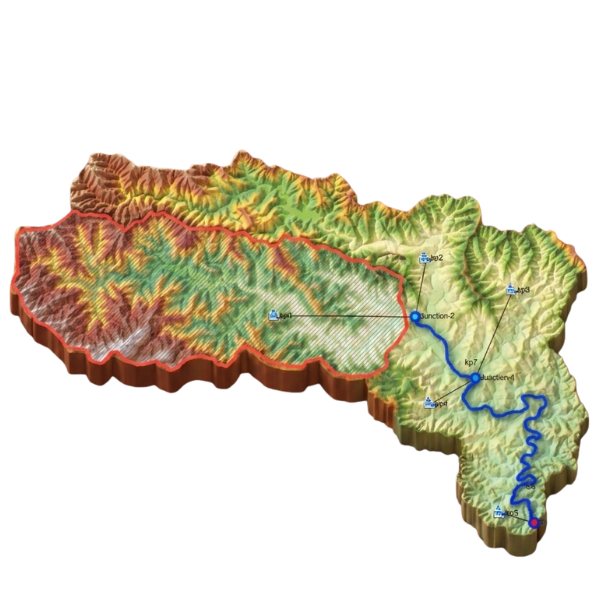
HEC-HMS Masterclass
Build practical, end‑to‑end rainfall–runoff modelling skills with a hands‑on HEC‑HMS workflow.

Fluvial Geomorphology Essentials
Build practical skills in reading river behaviour and applying geomorphic insight in real-world projects.
Desalination Essentials
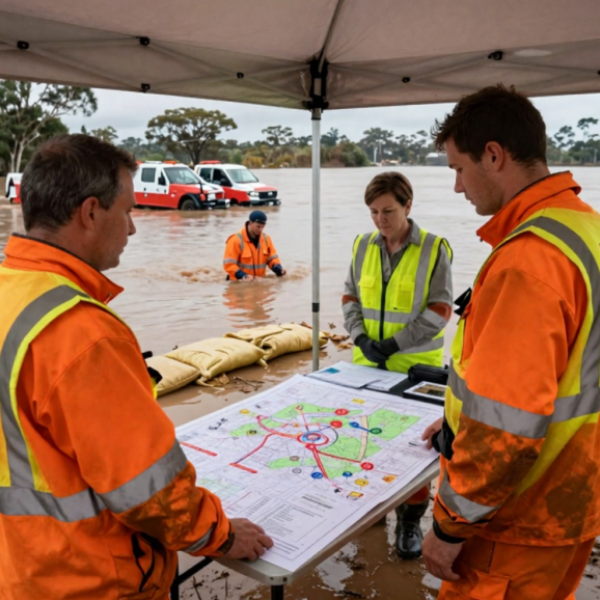
The Non-Engineer’s Guide to Flood Management
A practical introduction that helps non‑engineers understand and use flood information.
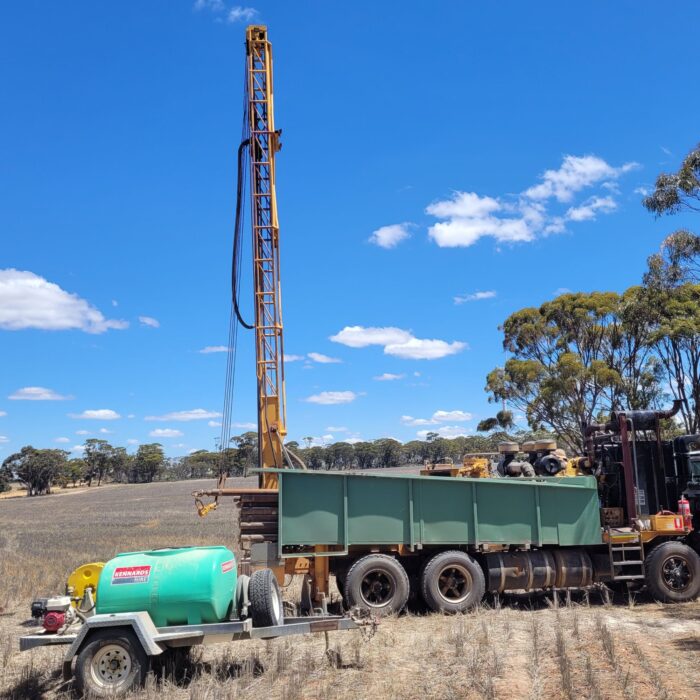
Bedrock Groundwater – The Resources
Follow Western Australia’s bedrock groundwater project as exploration drilling reveals the potential of fractured rock systems across the Wheatbelt.
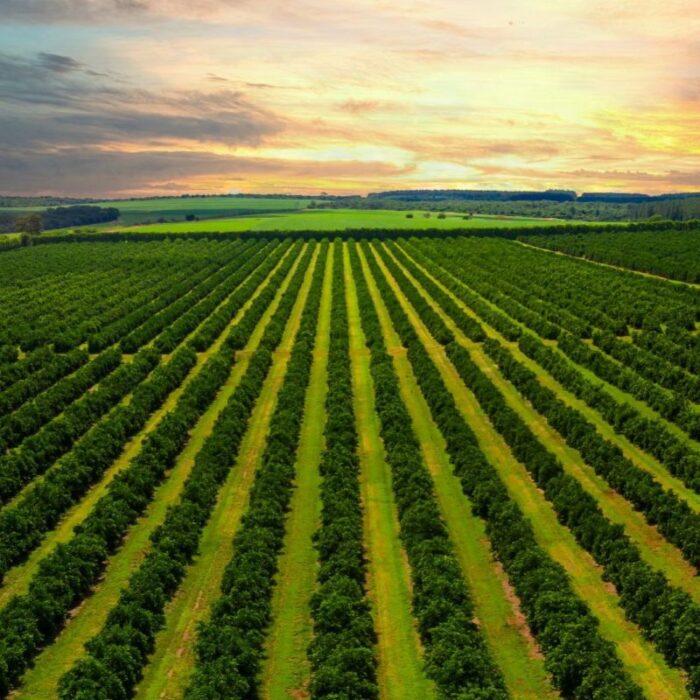
Decarbonising Irrigation Regions in the Basin
Exploring practical pathways to decarbonise irrigation across the Murray–Darling Basin.
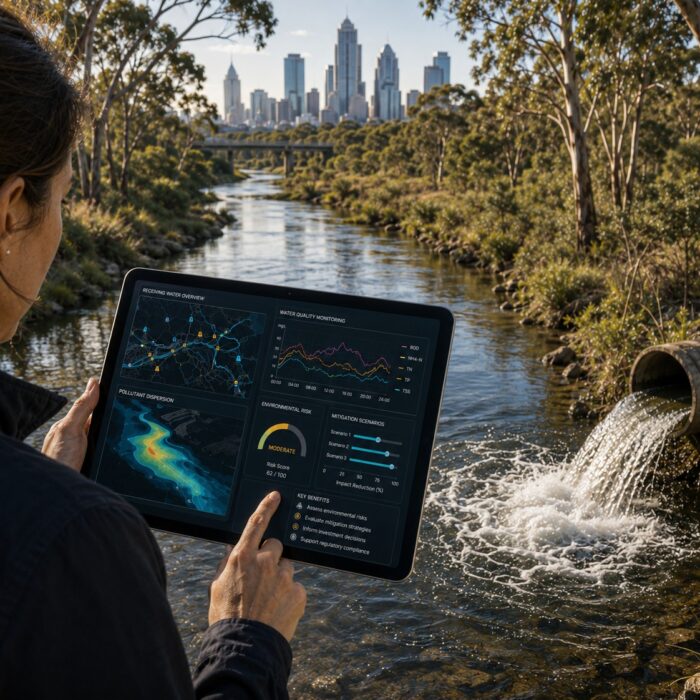
Protecting Receiving Waters with Digital Twins
Explore how DHI CityFlow Live links wastewater system performance with environmental outcomes to guide mitigation, investment and regulatory compliance.
Python Training Series
Unlock the full potential of hydrological data processing and modelling using Python.
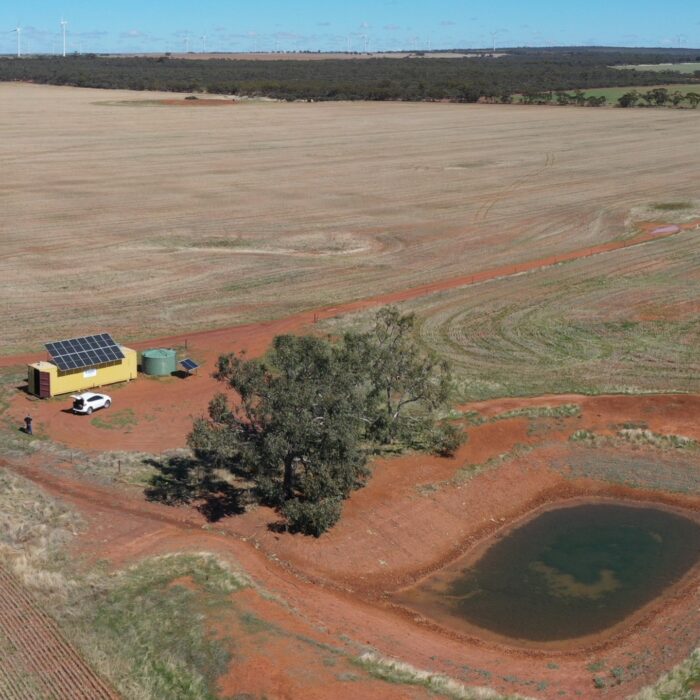
Bedrock Groundwater – The Users
Explore farmers’ experiences and the implications of developing bedrock groundwater resources for end users.
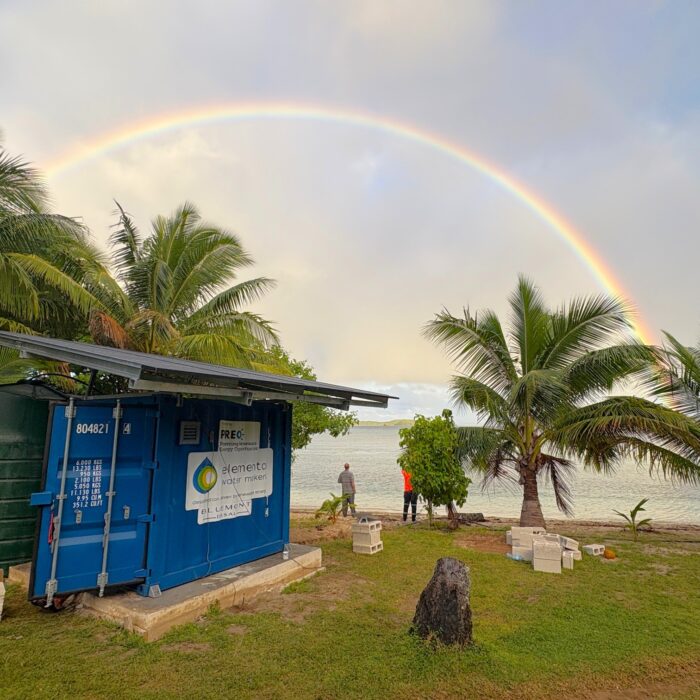
Water Security Solutions
Applying low-cost, scalable approaches to meet increasing water scarcity crises around the world.
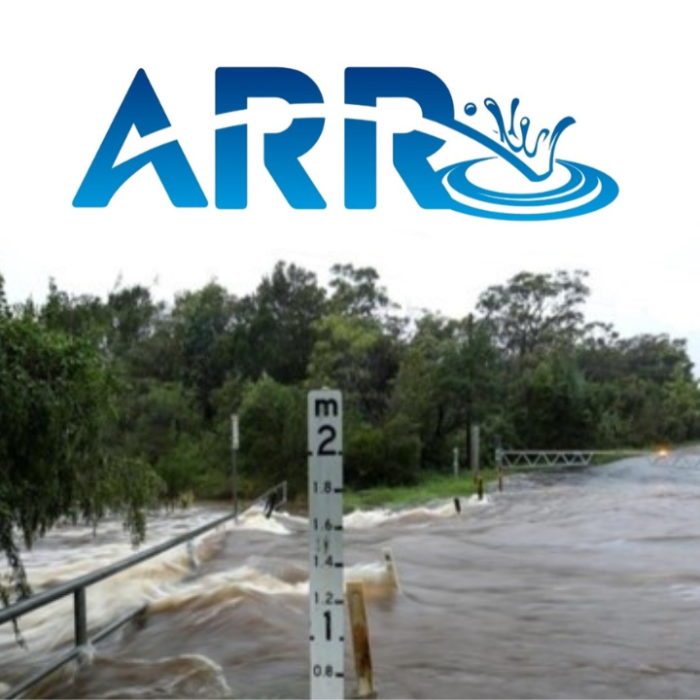
ARR Training Series
Understanding the ARR 2019 guidelines for holistic planning, design and operation of flood management systems.

Stop Herding Cats and Orchestrate Your Model Runs
Tame the Chaos of Hydraulic Modelling with Modern Tools and Smarter Workflows
Desalination for a More Secure Future
Hydrology and Hydraulics Essentials Training Series
From first principles to engineering applications
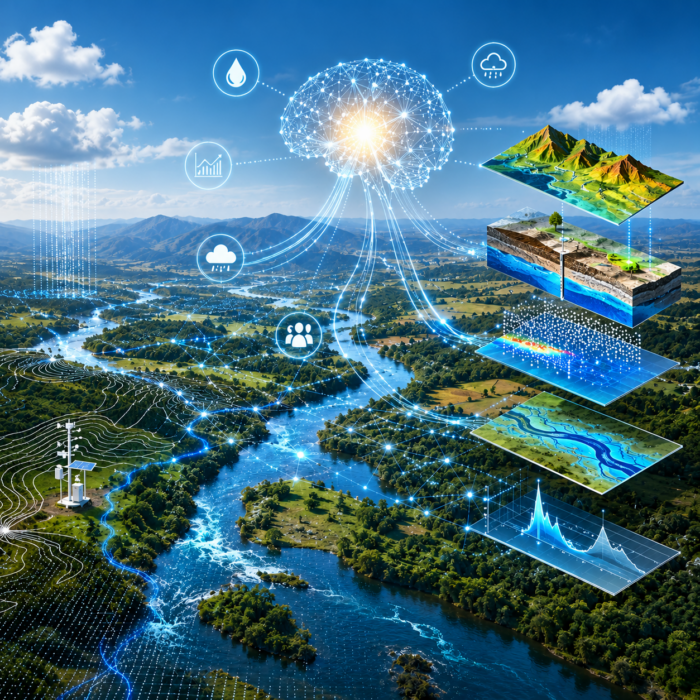
Integrating Artificial Scientists into Water Science
Exploring how GenAI is transforming water science through AI co-scientists and agentic workflows.
What’s New in FLOW 3D
Python Essentials for Hydrologists
Build confidence in choosing the right Python tools for real hydrological workflows.
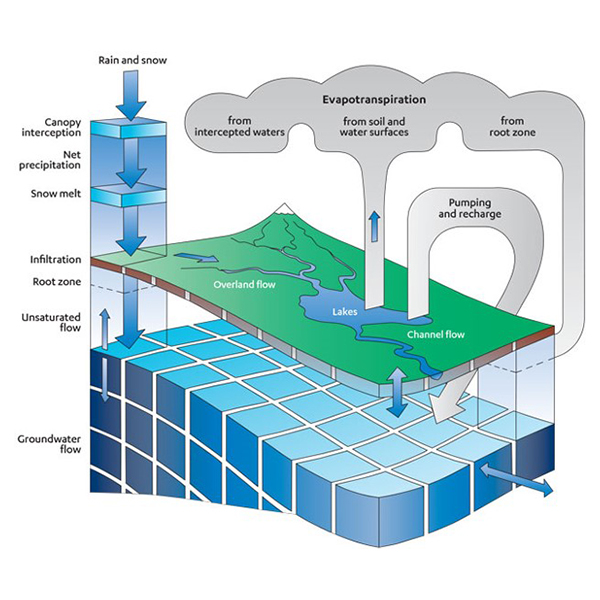
MIKE SHE Integrated Catchment Modelling for the Complete Water Cycle
Explore the full capabilities of MIKE SHE, including 3D groundwater, 1D river modelling and complex irrigation systems.
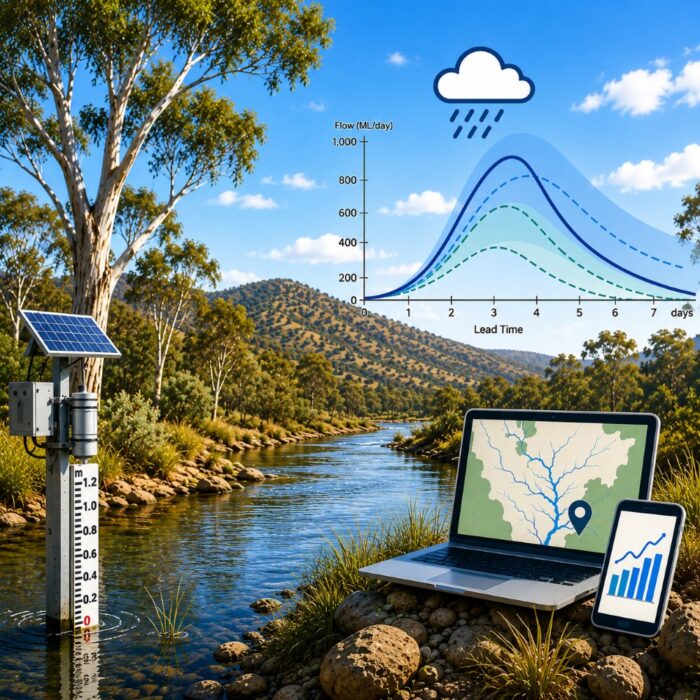
Hydrological Forecasting Tools for Water Management
Explore practical forecasting tools and case studies supporting water planning and operational decision-making.
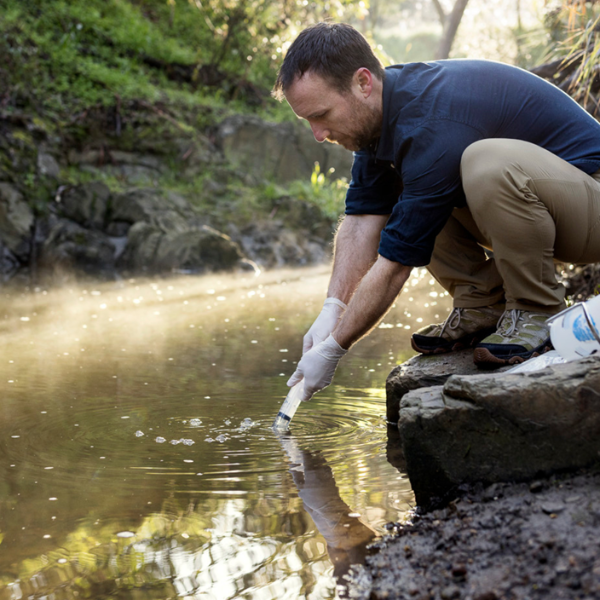
eDNA Essentials
Build practical skills to explore the secrets of aquatic ecosystems using eDNA.

Smarter Wastewater Treatment Plants with Digital Twins
Explore how DHI CityFlow Live improves decisions, training, predictive insights and optimisation across treatment plants.
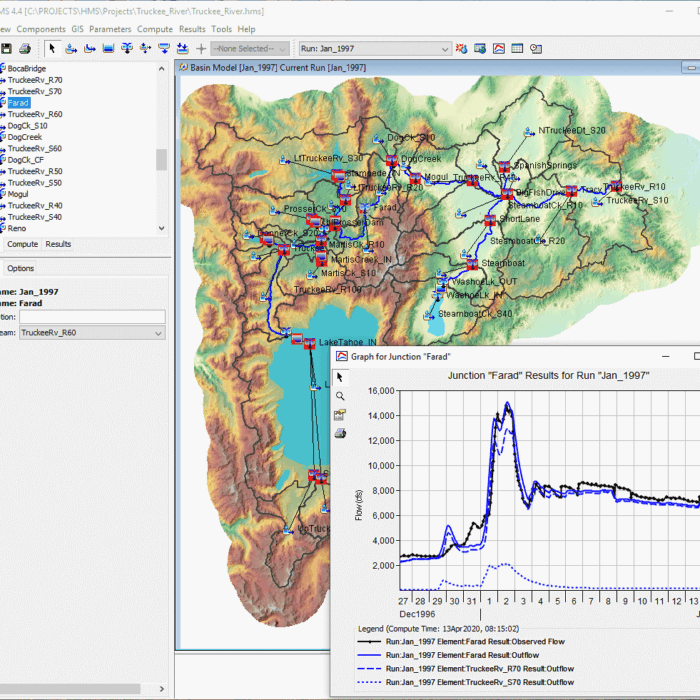
HEC-HMS: Past, Present, and the Road Ahead
Explore the origins, its current capabilities, and future direction of HEC‑HMS hydrologic modelling.
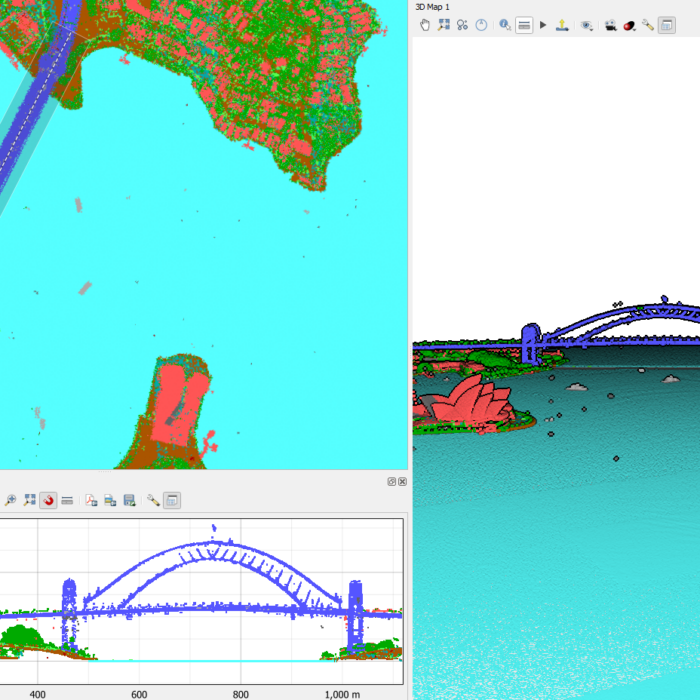
3D Point Cloud Processing in QGIS
Build practical skills to process, analyse and automate 3D data for catchments and flood studies.
Beyond the Forecast: Urban Water Planning Under Uncertainty
Discover how stress testing and pathways analysis can help navigate uncertainty and support robust urban water management decisions.
State of AI for Water: Where Are We Now?
Exploring where AI is delivering value in the water sector today, and building the skills, trust and evidence needed for what comes next.
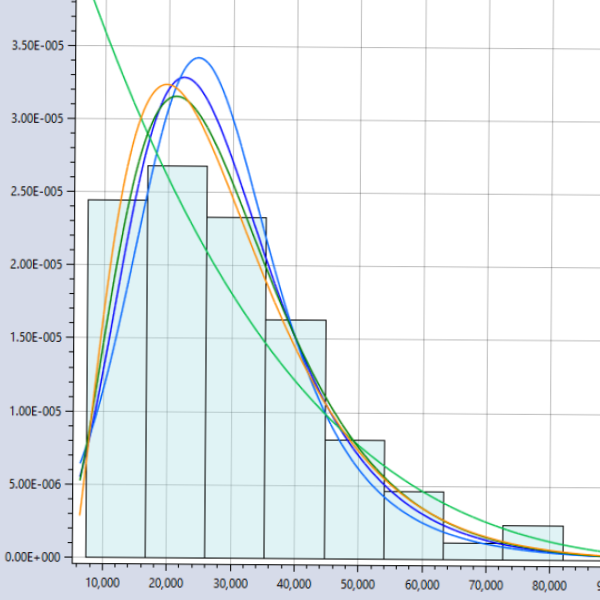
RMC-BestFit 2.0: Enhanced Flood Frequency Analysis and Beyond
Learn RMC‑BestFit 2.0 the practical way with data management, frequency analysis, and Bayesian modelling.
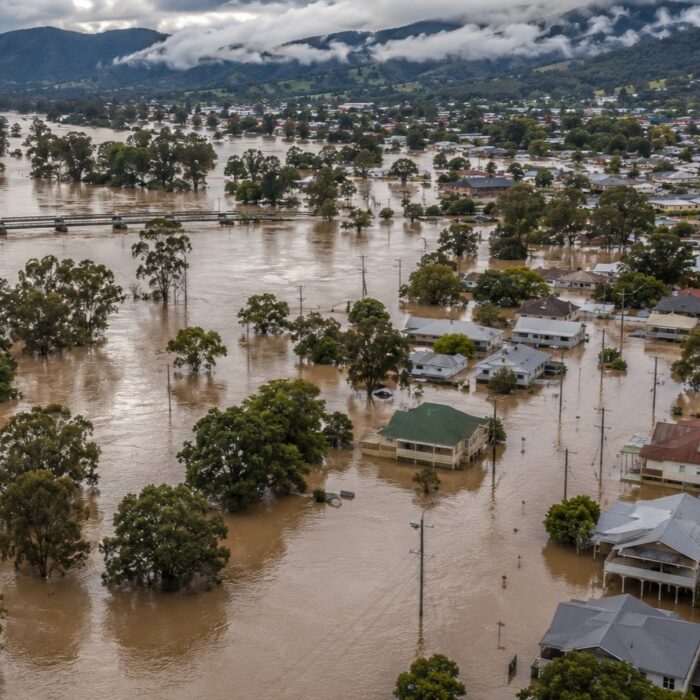
Rethinking Flood Frequency Analysis
Exploring new evidence that challenges long-held assumptions in flood frequency analysis.
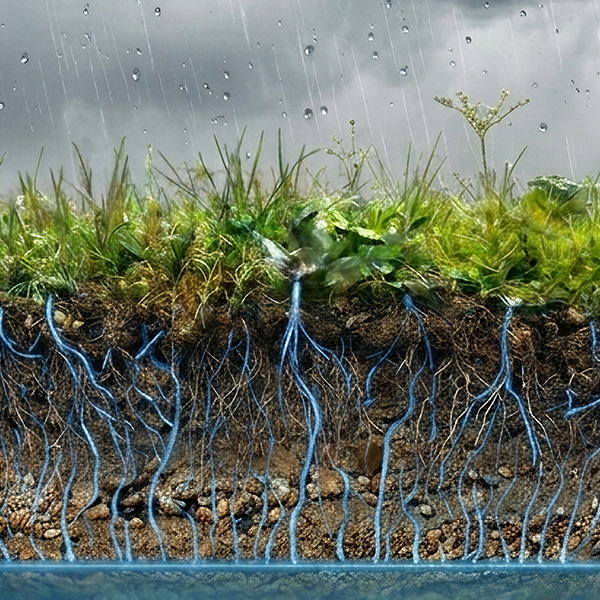
From Rainfall to Recharge: An Introduction to MIKE SHE
Discover how MIKE SHE can generate high-resolution groundwater recharge estimates using a simplified, practical modelling approach.