About

Take sessions at any time, at your own pace with unlimited access for 30 days on sign up.

Every rainfall event sends a surge of pollutants into our rivers, creeks, and oceans. Understanding how stormwater pollution is generated and how to treat it effectively is critical to preventing long‑term damage. This course provides a practical, evidence‑based introduction to stormwater treatment, giving participants the knowledge and tools needed to protect waterways and support better community outcomes.

In this three-part course, participants explore the hydrological and water‑quality impacts of urbanisation, the principles of Water Sensitive Urban Design (WSUD), and the performance of key treatment assets including gross pollutant traps (GPTs), sediment basins, wetlands, and bioretention systems. The course also examines regulatory drivers, pollutant reduction targets, the limitations of current “best practice” approaches, and common design and maintenance challenges.

Designed for engineers, planners, and water professionals, this course blends technical foundations with real‑world case studies and asset performance insights. Participants gain a clear understanding of stormwater pollution, treatment performance, and practical strategies for delivering resilient, long‑lasting water infrastructure.

Details

Format 3 x 2-hour modules + course material & resources
Cost AUD $895.00 (INC. GST)
Contact Group Booking: For 5 or more contact us: [email protected]
Code OD-26-3-160
Tags / / /

Presenters

Brad Dalrymple

Ocean Protect
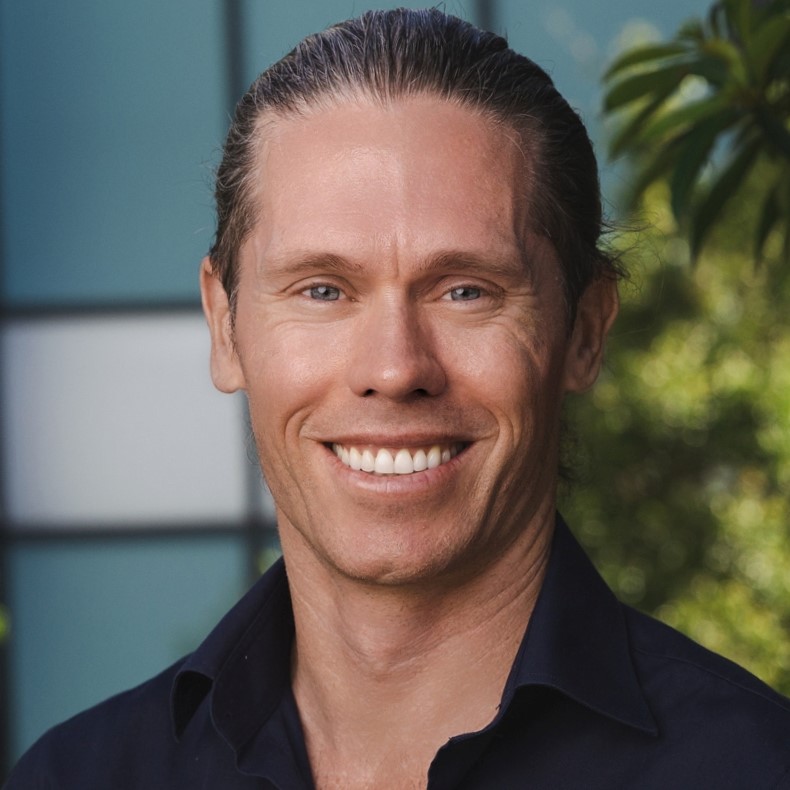
Brad is an Environmental Engineer with over 20 years’ of environmental engineering experience and a passion for protecting our planet. He is Principal Environmental Engineer at Ocean Protect – ... Read more

Daniel Rhodes

Ocean Protect

Daniel Rhodes is a Senior Water Engineer at Ocean Protect and a Chartered Civil Engineer (RPEQ, CPEng) based in Queensland. He serves on the Stormwater Queensland committee, contributing to industry l... Read more

Panel Members

Blake Allingham

Ocean Protect
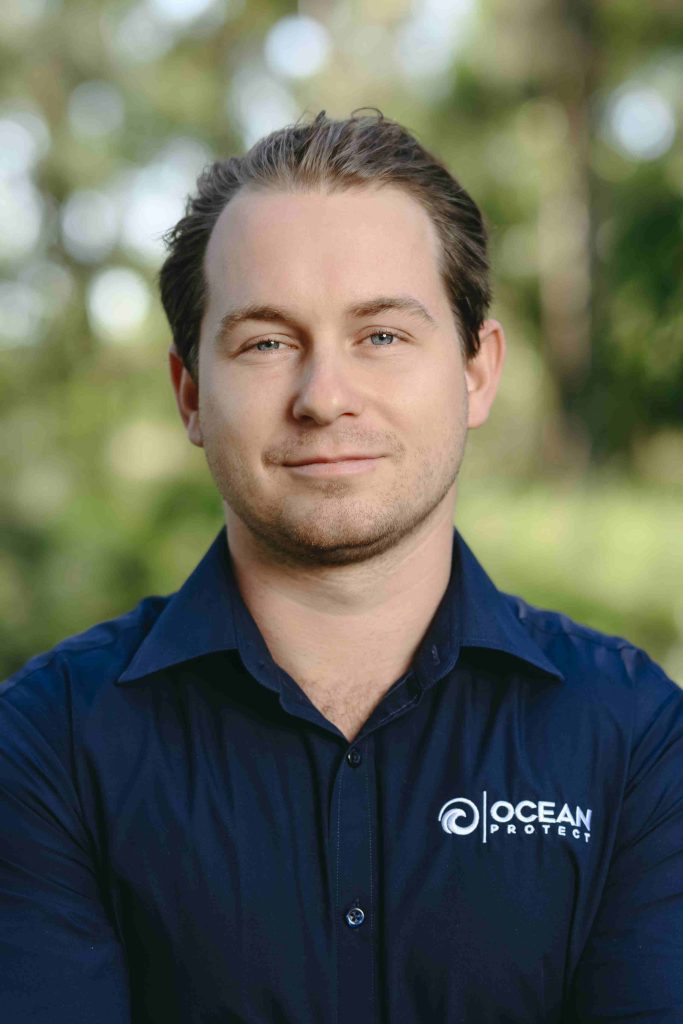
Blake is Ocean Protect’s Research & Development Manager and, for over seven years, has been heavily involved in the design, implementation, operation and management of a range of stormwater trea... Read more

Course Overview

This course is designed to offer a practical, evidence‑based introduction to stormwater pollution, hydrology, Water Sensitive Urban Design (WSUD), and treatment systems. Participants learn how pollutants form, how urbanisation alters catchments, and how gross pollutant traps (GPTs), wetlands, sediment basins, and bioretention perform in the real world. The course builds confidence to design, assess, and manage effective stormwater treatment assets.

Watch the webinar to get an introductory overview on the course:

Learning Outcomes

In this course, you will be able to:

  • Understand the sources, pathways, and impacts of stormwater pollution on waterways and communities.
  • Identify pollutant types and match them to appropriate treatment assets.
  • Apply Water Sensitive Urban Design (WSUD) principles to improve hydrology, water quality, and urban resilience.
  • Evaluate the performance of key treatment assets including bioretention systems and wetlands.
  • Identify common design, installation, and maintenance challenges that cause underperformance or asset failure.
  • Implement practical, evidence-based solutions for resilient stormwater infrastructure.


Course Outline

Part 1: Stormwater Pollution & Urbanisation

  • Hydrological cycle, catchments, and how urbanisation changes flow and water quality.
  • Pollutant types, sources, build‑up/wash‑off processes, and first‑flush behaviour.
  • Impacts on flooding, channel form, erosion, and ecological health.
  • Community concerns, population growth pressures, and environmental values.
  • Why stormwater treatment is essential for resilient waterways.


Part 2: WSUD Design Principles & Treatment Solutions

  • WSUD principles, water balance, and integrated urban water management.
  • Regulatory drivers, SPP targets, and limitations of “best practice” load reductions.
  • Treatment asset types: GPTs, swales, sediment basins, wetlands, and bioretention systems.
  • Common design issues, operational risks, and how to avoid asset failure.
  • How to size and select treatment systems for different catchments.


Part 3: Performance Monitoring & Asset Insights

  • Field monitoring protocols, QA frameworks, and sampling requirements.
  • Interpreting EMCs, load reductions, and concentration removal efficiency.
  • What monitoring reveals about system performance, maintenance, and failure modes.
  • Evidence‑based recommendations for improving long‑term asset outcomes.


Format

  • 6+ hours of session recordings with unlimited access for 30-days.
  • Pre-and-post-course materials to go through via the AWS learning platform.
  • Slides, manual/s and background readings.
  • Ability to ask questions to the presenters at any time through the learning platform.


Pre-requisites

  • Basic knowledge of urban hydrology, hydraulics, and water-quality concepts.
  • Familiarity with general engineering or planning concepts, including reading plans (GIS/CAD).
  • Awareness of council or regulatory processes related to stormwater.


Completion Certification

  • Participants earn CPD hours/points (i.e. with Engineers Australia) for at least 6 hours for the entire course. 
  • On completion of the course attendees will be issued with a Certificate of Completion. 


Refund Policy

Frequent Asked Questions (FAQs)