About

Environmental DNA (eDNA) is transforming how biodiversity can be monitored, offering a powerful and non-invasive way to detect species and understand ecosystems. While traditionally associated with aquatic environments, eDNA is now being applied across a much broader range of settings, opening up new opportunities for environmental practitioners.

In this webinar, Josh Griffiths from EnviroDNA will provide a practical introduction to eDNA in action, showcasing how these techniques are being used across water and terrestrial environments. Through real-world case studies, attendees will explore applications including soil microbial analysis, swabbing tree hollows and nest boxes, and emerging approaches such as airDNA, giving a clear picture of where the field is heading.

This webinar provides a strong foundation and a clear pathway into the follow-on course, equipping you to take the next step and build practical skills in designing, applying and interpreting eDNA surveys in real-world projects.

Details

Date
Wednesday, 20 May 2026
Time
1:00pm (Australia/Sydney; find your local time)
Format 40min presentation + 20min Q&A
Resources Webcasts and other documents will be available here
Tags / /

Presenters

Josh Griffiths

EnviroDNA

Josh is a wildlife ecologist and platypus expert and has worked across a variety of species, habitats, and regions. Having spent many years in the field, Josh is in a unique position to understand the... Read more

Brendan Cohen

EnviroDNA

Whether in the field, behind a camera, or working with scientists, my goal is to inspire curiosity, promote scientific research and strengthen the nexus between wildlife and storytelling. My career... Read more

Panel Members

Krey Price

International Water Training Institute

Educated at the University of California at Berkeley, Krey is a civil engineer and project manager with international experience in water resources. He is engaged in computational modelling, engineeri... Read more

Sponsored by EnviroDNA

eDNA. What is it?

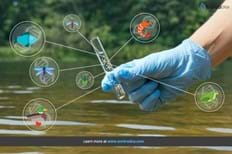
Imagine extracting tiny fragments of DNA from water samples. These fragments, known as environmental DNA (eDNA), can come from a variety of aquatic organisms, including fish, amphibians, reptiles, and even microscopic creatures. By analysing this genetic material, scientists can identify the species present in a particular area without ever having to see them directly.


Take the Next Step with eDNA Essentials

Environmental DNA is reshaping how we detect species, assess ecosystems, and support evidence‑based decisions. eDNA Essentials course gives you a practical, end‑to‑end introduction to the full workflow including sampling design, field collection, lab processes, data interpretation, and reporting. You’ll learn where eDNA adds value, where it doesn’t, and how to apply it confidently in real projects.

Australian participants can also opt in to receive an eDNA water sampling kit, allowing you to collect a sample from your local waterway and see your own data processed and discussed during the course.

Enrol now!


Registration Locations: